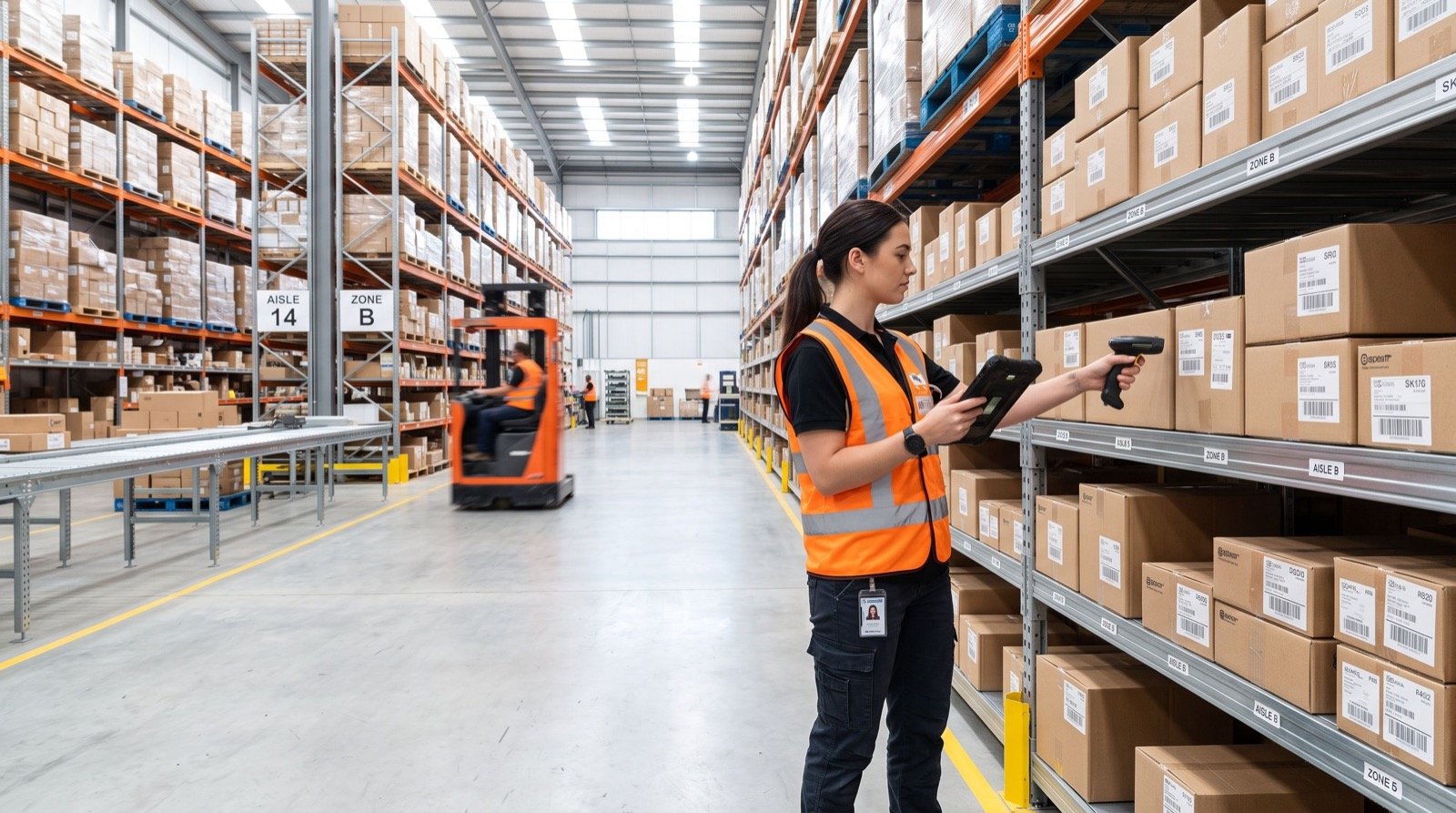

An online store can get thousands of visitors a month and still fail, because traffic without conversions is just an expensive number on a dashboard. E-commerce SEO in 2026 is no longer about stuffing product titles with keywords — it’s about structuring a store so Google trusts it, and so shoppers who land on a product page actually complete checkout.
Why E-Commerce SEO Fails Even With Good Traffic
Most online stores in Pakistan optimize their homepage and ignore category and product pages, which is exactly backwards. Shoppers rarely land on a homepage from a search engine — they land on the exact product or category page that matches their query. If that page loads slowly, has thin descriptions, or buries the “add to cart” button, the traffic is wasted no matter how well the homepage ranks.
Google’s 2026 ranking signals continue to weight page experience heavily, meaning a beautifully written product description on a slow-loading page still underperforms a plainer page that loads instantly.
What Should Every Product Page Include?
A conversion-ready product page checklist for 2026 looks like this:
- Unique product description, never copy-pasted from the manufacturer
- At least three customer-facing images, including the product in real use
- Clear, visible pricing with no hidden shipping surprises at checkout
- Structured data markup so prices and reviews show directly in search results
- Genuine customer reviews, even if there are only a handful early on
How Do Loading Speed and Rankings Actually Connect?
The relationship between site speed and both rankings and conversions is stronger than most store owners assume. The table below shows the typical pattern seen across e-commerce audits this year.
| Page Load Time | Typical Bounce Rate | Conversion Impact |
|---|---|---|
| Under 2 seconds | 15-25% | Baseline, healthy conversion |
| 2-4 seconds | 35-45% | Conversion drops 20-30% |
| Over 4 seconds | 55%+ | Conversion drops 50%+ |
Is Mobile Optimization Really That Important for E-Commerce?
Yes, and not as an afterthought. The majority of e-commerce traffic in Pakistan now arrives on mobile devices, often over mobile data rather than WiFi. A product page that isn’t fully optimized for a slower mobile connection loses sales before the shopper even sees the price.
Content Beyond the Product Page
Category pages and buying guides deserve the same attention as product pages. A well-written buying guide ranks for broader, earlier-stage searches and pulls shoppers into the funnel before they’ve picked a specific product. This content also naturally earns backlinks that product pages rarely attract on their own.
Building this kind of layered content strategy is usually faster with help from a Digital Marketing Agency in Rawalpindi that already understands which product categories convert best for the Pakistani market.
Technical SEO Issues That Quietly Hurt Online Stores
Duplicate content from filtering and sorting parameters is one of the most common technical issues on e-commerce sites. If a size filter and color filter both generate separate indexable URLs for the same product, search engines see duplicate content and can suppress rankings across the whole category. Canonical tags and careful URL parameter handling fix this, but it requires a technical audit most store owners never run.
Per Google’s documentation on duplicate content, consolidating signals to one canonical version of each page is essential for maintaining ranking strength, especially on large catalogs with heavy filtering.
Scaling Beyond One City
Stores that start by ranking well in one city often want to expand nationally. That transition requires a broader content and link strategy, which is where working with providers of digital marketing services in Pakistan pays off — coordinating SEO across multiple regions without cannibalizing rankings between city-targeted pages.
For stores that also handle physical fulfillment challenges, working with an experienced local team on the logistics side keeps operations running smoothly while the marketing side scales up traffic and orders.
Fixing Cart Abandonment Before It Happens
A huge share of e-commerce SEO effort gets wasted at the final step of checkout, where a large portion of shoppers abandon their cart without completing a purchase. Many of the fixes overlap with SEO best practices, which makes this an easy area to improve while you’re already working on page structure.
Unexpected shipping costs revealed only at checkout are the single biggest driver of abandonment. Showing estimated shipping costs directly on the product page, even as a range, keeps shoppers from feeling ambushed at the final step. Offering guest checkout, rather than forcing account creation, removes another common friction point that pushes shoppers away right before they buy.
A simple abandoned-cart email sequence, sent within an hour of abandonment and again after 24 hours, recovers a meaningful share of otherwise lost sales. This doesn’t require sophisticated software — even a basic automated sequence through most e-commerce platforms captures this low-hanging fruit.
How Does Checkout Speed Affect SEO Indirectly?
Google doesn’t directly rank checkout pages, but high cart abandonment and low conversion rates send negative engagement signals when traffic doesn’t translate into any meaningful on-site action, such as completed purchases or account creation. Fixing checkout friction therefore supports the broader health metrics that influence how search engines evaluate your site over time.
Frequently Asked Questions
How long does e-commerce SEO take to show sales impact?
Technical fixes like speed and duplicate content often show impact within 4-6 weeks. Content and backlink-driven growth typically takes 3-6 months to meaningfully move the needle on sales.
Do product reviews really affect SEO rankings?
Yes. Review content adds unique, frequently updated text to product pages, which search engines favor, and review-rich snippets improve click-through rates directly in search results.
Should every product have its own page?
Generally yes, especially for products with meaningful search volume. Variants with minor differences can sometimes share a page with selector options instead.
What’s the fastest SEO win for a struggling online store?
Fixing page speed and removing duplicate content from filtered URLs. These two fixes alone often produce visible ranking movement faster than new content creation.
Final Thoughts
E-commerce SEO in 2026 rewards stores that treat every product and category page as its own small landing page, not a catalog entry. Fix the technical foundation first, then layer in content and reviews, and traffic will finally start converting into real revenue instead of just dashboard numbers.